


Looking for family-focused, comprehensive dental care near Dingley Village? Our clinic is located approximately 7 minutes from Dingley Village and close to the Australia Post office on Centre Road.
Monday to Friday: 9 AM - 6 PM
Saturday and Sunday: CLOSED
It’s So Fast & Easy






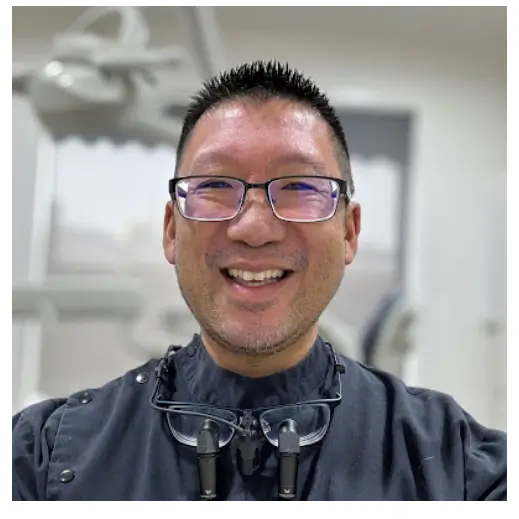
For more than four decades, Clarinda Clinic has provided affordable dental care for individuals and families seeking ongoing support for their oral health.
Our team focuses on delivering personalised dental treatment while taking time to understand each patient’s concerns, goals, and needs.
Using modern techniques and a patient-focused approach, we provide a range of dental services that support both preventive and restorative care.
Regular examinations, early detection, and appropriate treatment planning allow patients to maintain their oral health over time.
When attending for a routine dental visit, our team helps patients manage their dental health and make informed decisions about their care.
New patients are welcome to contact our dental clinic to arrange an appointment.
At Clarinda Clinic, we believe that great dentistry should speak for itself. Our gallery showcases real patient transformations using modern, evidence-based treatments — from cosmetic upgrades to restorative improvements and complete smile makeovers.
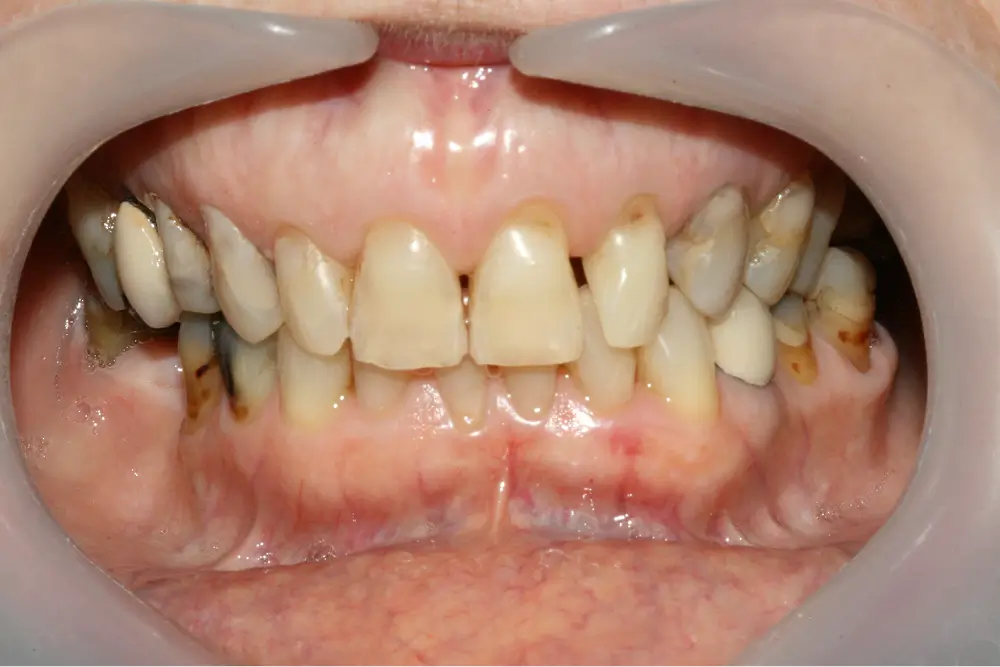
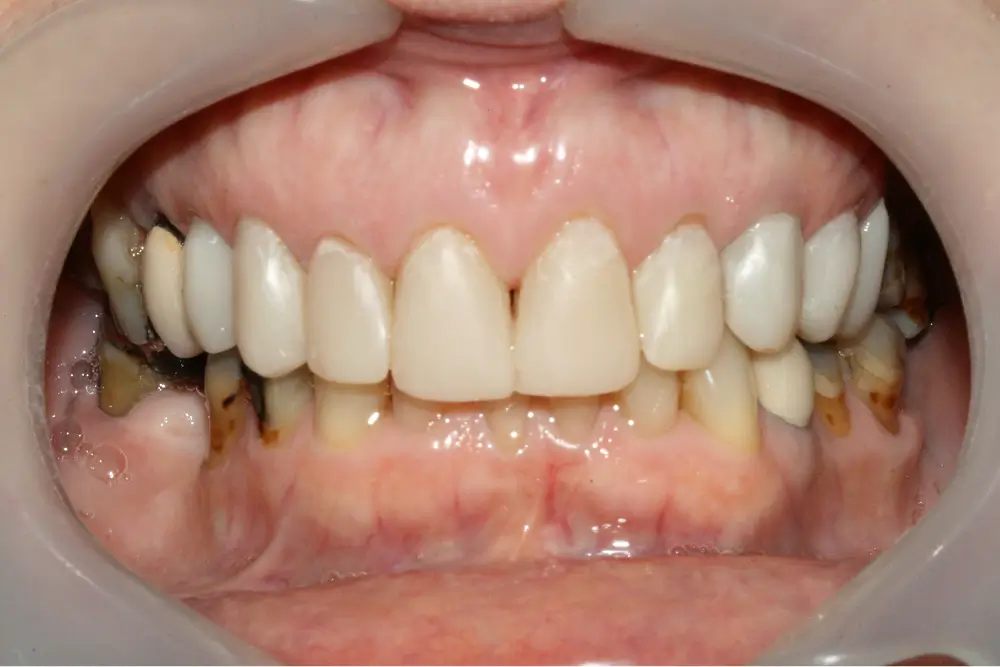
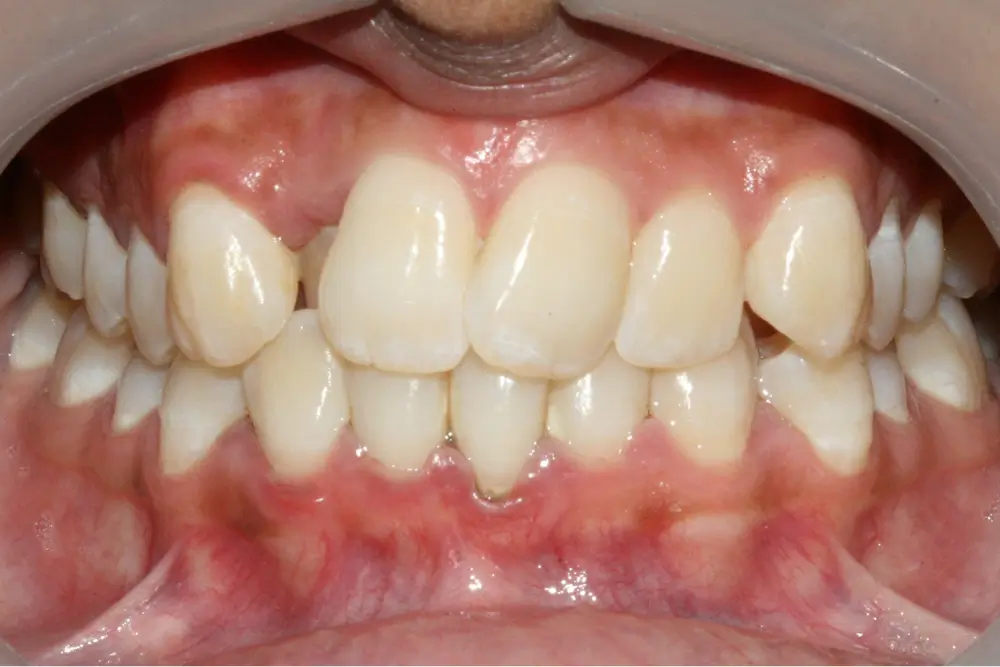
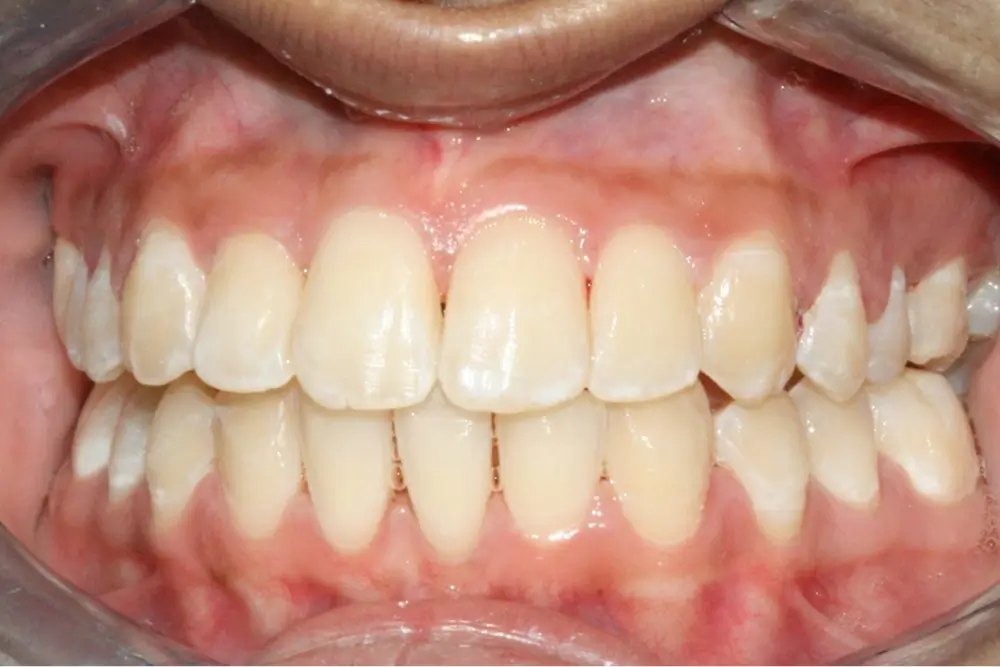
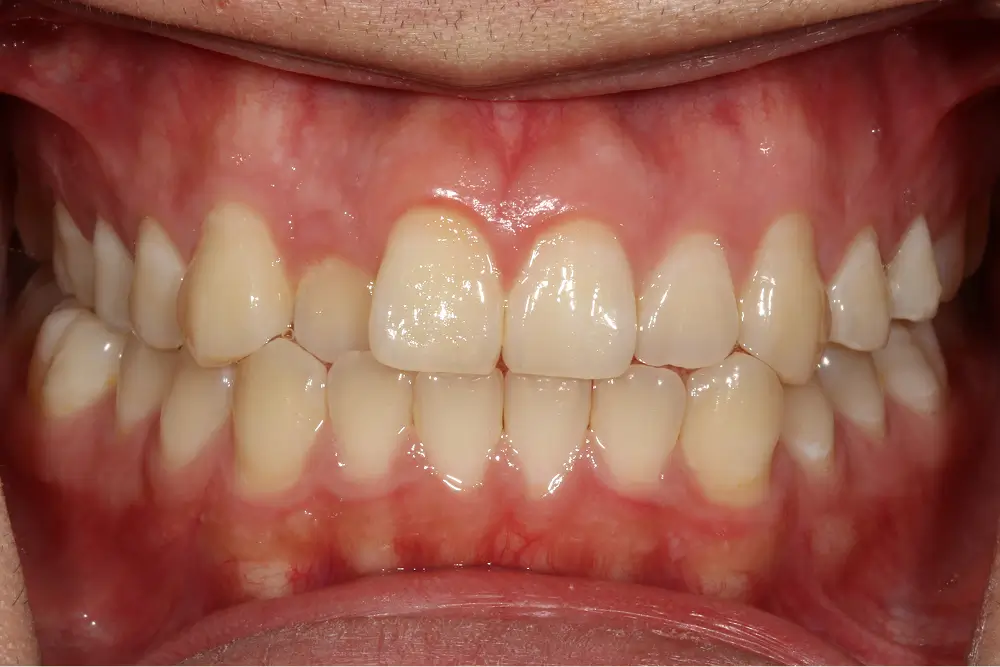
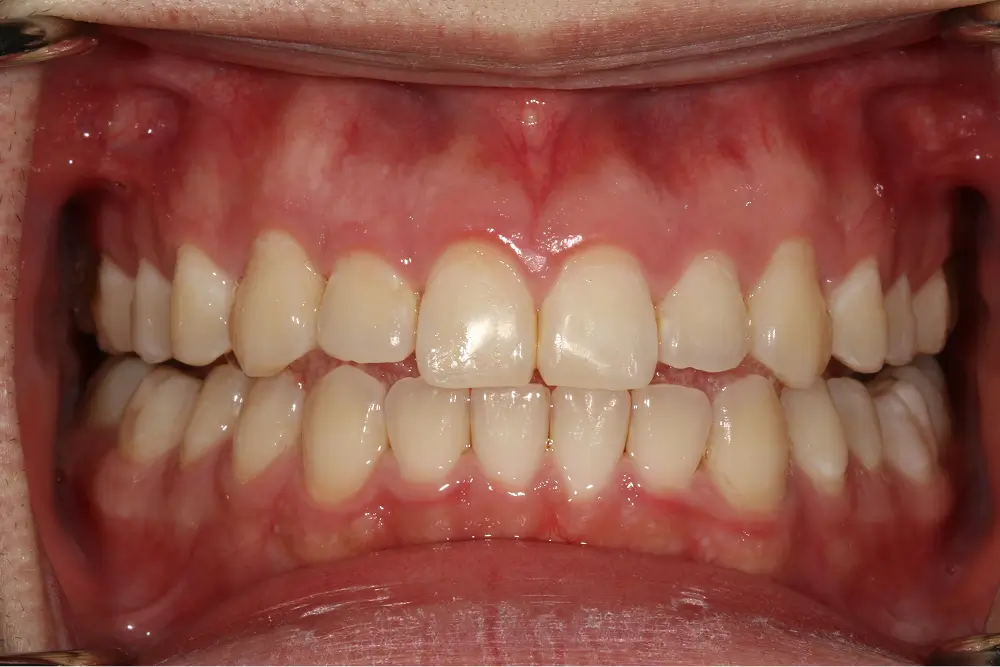
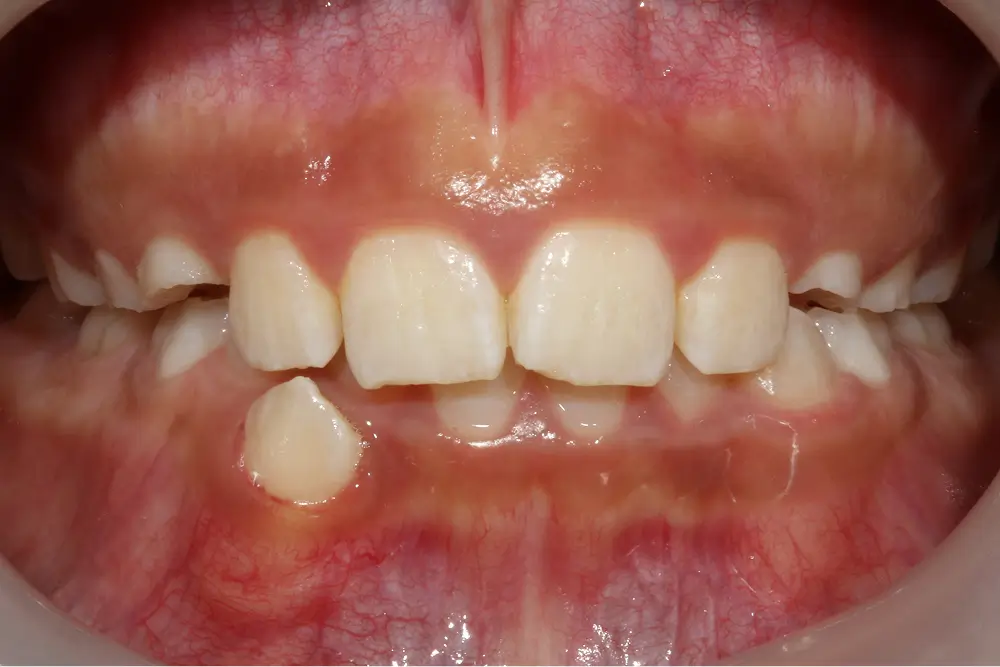
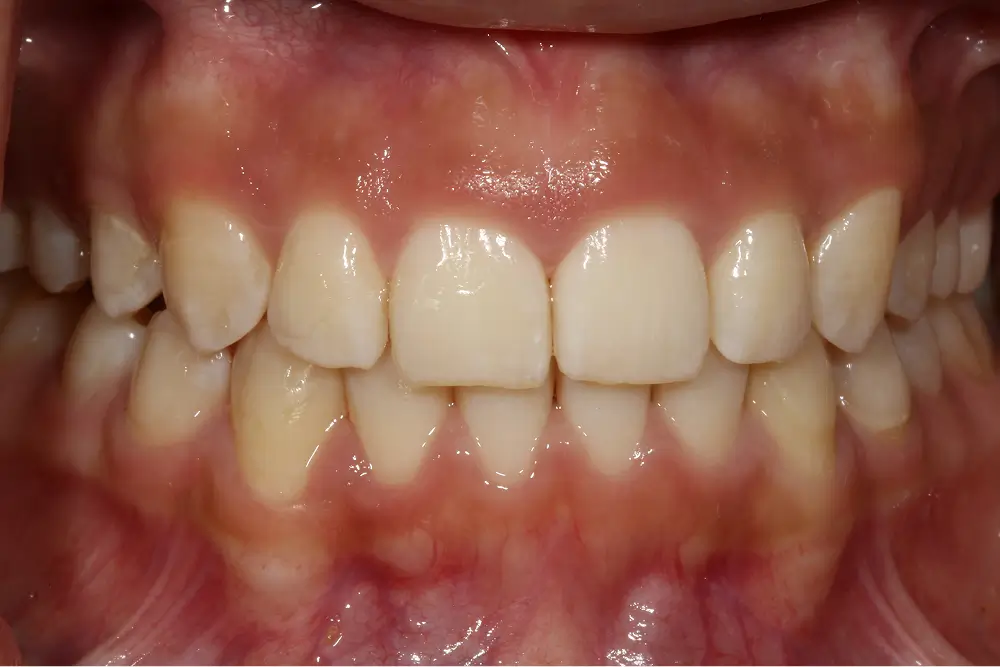

Note: Any surgical or invasive procedure carries risks. Before proceeding, you should seek a second opinion from an appropriately qualified health practitioner.
Clear aligner therapy is an orthodontic treatment designed to gradually move teeth into improved alignment using a series of custom-made trays. The treatment process generally includes:
Treatment duration may vary based on the complexity of tooth alignment and the patient’s individual orthodontic needs.
Preventive care treatments are procedures used to monitor and support oral health. These may include dental examinations, professional cleaning, fluoride applications, and oral health assessments aimed at identifying potential dental concerns at an early stage.
Regular dental examinations allow dentists to assess the condition of teeth, gums, and surrounding oral structures. These visits help monitor oral health changes and allow dentists to identify conditions such as tooth decay or gum disease that may require further management.
Depending on a patient’s oral health needs, a dentist may recommend preventive treatments such as professional cleaning and oral hygiene guidance. Recommendations are based on clinical assessment and individual oral health requirements.
Some dental procedures may involve the use of local anaesthesia to numb the treatment area. This helps reduce sensation in the affected tooth and surrounding tissues during the procedure.
Before a dental procedure, the dentist will examine your teeth and discuss the recommended treatment. Diagnostic imaging, such as dental X-rays, may be used to assist with treatment planning.
Some treatments, such as fillings or examinations, may be completed in a single appointment. Other procedures, including root canal treatment or dental implant placement, may require more than one visit.
Dental X-rays are used to help dentists examine areas of the teeth and surrounding structures that may not be visible during a routine examination. They assist with identifying conditions such as tooth decay, bone changes, or other dental concerns.
Clear aligners and braces are both orthodontic treatments used to move teeth into improved alignment. Clear aligners use removable trays, while braces use brackets and wires fixed to the teeth.
Both are considered cosmetic treatments used to address the appearance of teeth. Teeth whitening is used to reduce staining and discolouration, while veneers are thin coverings placed on the front surface of teeth to address concerns such as shape, colour, or minor surface imperfections.
Dental X-rays may be recommended during dental examinations when additional information is needed to assess the teeth, gums, or jawbone. They support diagnosis and treatment planning.
In some cases, dental infections may require urgent dental assessment, particularly if there is swelling, pain, or signs of spreading infection. A dentist will evaluate the condition and discuss appropriate treatment options.
Some dental procedures may involve pain management methods such as local anaesthesia. These methods are used to reduce sensation in the treatment area during the procedure.
The effect of local anaesthesia may last for several hours, depending on the type of anaesthetic used and the procedure performed. Your dentist will provide instructions regarding eating and oral care while the area remains numb.
Once the anaesthetic effect reduces, the treated area may gradually return to normal sensation. Your dentist may provide instructions on oral care and any temporary precautions following the procedure.
Dentists may recommend several options for replacing missing teeth depending on a patient’s oral health and treatment needs. These options may include dental implants, dental bridges, or removable dentures. A dental examination allows the dentist to evaluate the condition of the teeth and surrounding structures and discuss suitable treatment options.
Yes. Orthodontic treatment may be provided for adults depending on their dental condition. Dentists assess tooth alignment, bite position, and oral health to determine whether treatments such as braces or clear aligners may be suitable.