







A dentist in blue scrubs and purple gloves gently adjusts a young girl's bib in a modern dental office. The girl, seated in an orange chair, smiles up at the dentist.

Crowns and Bridges

Damaged or missing teeth can affect how your teeth meet and function during daily use. At our dental clinic, we take time to understand what you are experiencing and consider whether crowns and bridges may be relevant for your needs.

curved mask big one border
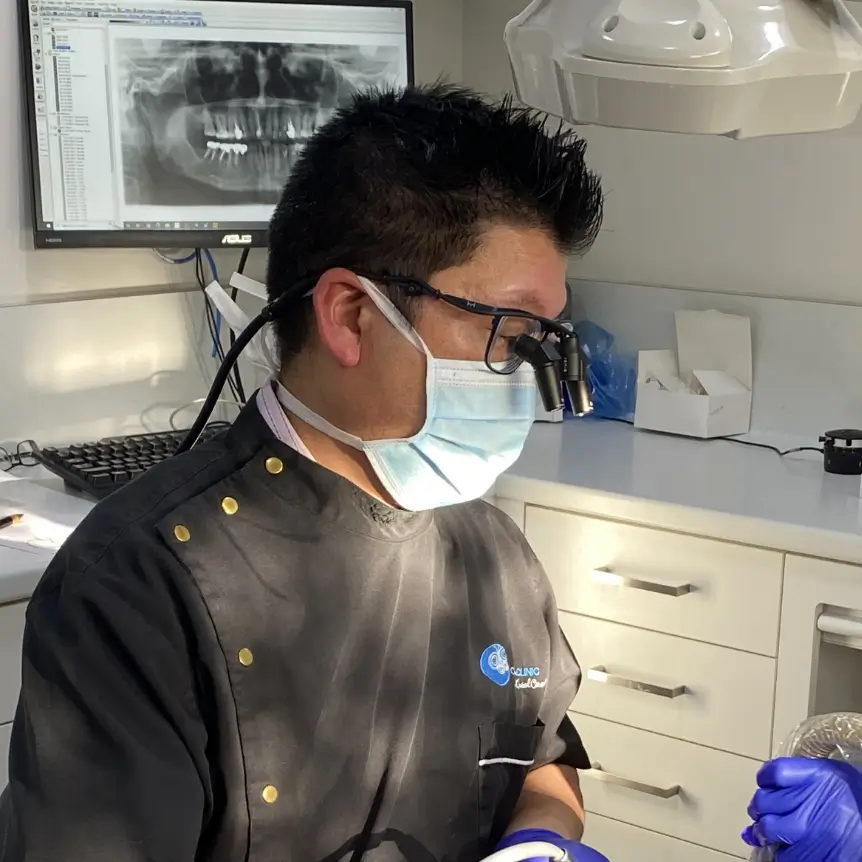
Dr Hong wearing magnifying glasses and mask examines patient with dental tools. X-ray on screen, bright and clinical setting.

Understanding Crowns And Bridges For Tooth Restoration

You may notice gradual changes in how your teeth feel and sit together when one becomes damaged or goes missing. In these situations, crowns and bridges may be considered.

At our dental clinic, your care is approached with attention to detail and clear communication. We explain what is happening and outline considerations in a way that feels steady and easy to follow.

Years of Care
0 +
Patients Treated
0 +
Commitment to Quality
0 %

How Crowns And Bridges May Support Your Teeth

Crowns and bridges may offer several functional benefits depending on your needs. These relate to how teeth are supported, how they function during everyday use, and how spacing and balance are maintained over time.

A dentist in a blue shirt and white coat smiles and talks to a patient seated in a dental chair.

Tooth Structure Support

Crowns can reinforce weakened teeth by covering the remaining tooth structure.

A woman in a dental chair smiles widely, pointing at her teeth with both hands. A dentist in black gloves looks on.

Chewing Function

Restoring teeth contributes to everyday biting function.

A woman with blonde hair smiles while seated in a dentist's chair, wearing a pink top and a blue dental bib. The setting is bright and clinical.

Spacing Maintenance

Bridges help support spacing by filling gaps where teeth are missing.

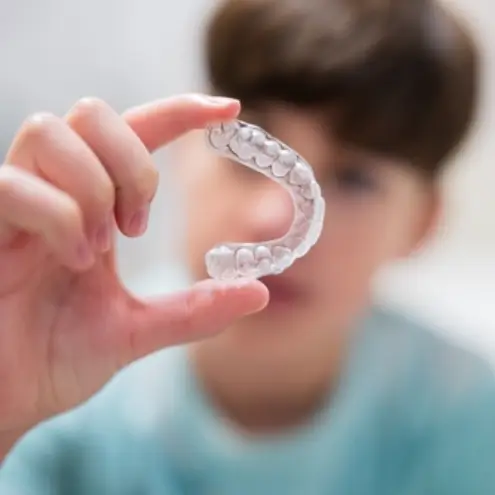
A person holds up a clear dental aligner in focus, with a blurred face in the background.

Bite Balance

Crowns and bridges help balance pressure across teeth during use.

curved mask big blue
A dentist wearing blue gloves holds dental veneers, showing them to a patient. The image conveys a professional and clinical setting.

Tooth Conditions Crowns And Bridges May Address

Crowns and bridges are considered when teeth show changes in structure, spacing, or function. During dental visits, we look at these conditions to understand how your teeth are affected.

Schedule a visit with our dentist to explore crowns and bridges and how they may support your oral function.

How Crowns And Bridges Are Planned And Placed

Crowns and bridges are planned through a step-by-step approach based on your tooth condition, surrounding structures, and bite. We explain each stage clearly so you understand how care is organised.

STEP - 01

Initial Assessment

We begin with an examination of your teeth, bite contact, and surrounding structures to understand current conditions and your concerns.

STEP - 02

Tooth Preparation

The tooth may be shaped to allow placement, or surrounding teeth may be prepared when a bridge is considered.

STEP - 03

Impressions And Design

Impressions or digital scans are taken to guide how the crown or bridge is designed to fit your teeth.

STEP - 04

Placement And Review

Once ready, the restoration is placed and checked to ensure it fits well with your bite and surrounding teeth.

Trusted Care, Proven Results

The annoying thing about the place is trying to stay awake because its so comfortable. thankfully they all have a good sense of humor and are friendly. otherwise they would have to pry my mouth open as i sleep. have not gone to see you guys in a few years but i will be returning shortly.

Google Icon
Eric Knight

Me and my wife Anna are very happy with the work and service that they provide and there friendly atmosphere we recommend them

Google Icon
George Arhontogeorgi

I never expected to have a comfortable day in dentist chair! Had I known this .before, I would have been in this place long time ago.

Very professional and friendly staff!!

Google Icon
Antti Honkalinna

Frequently Asked Questions

Note: Any surgical or invasive procedure carries risks. Before proceeding, you should seek a second opinion from an appropriately qualified health practitioner.

Caring for crowns and bridges involves maintaining daily brushing and flossing around the restored teeth and surrounding areas. Our dentist may also suggest cleaning techniques to help keep the area around a bridge clear of plaque.

Yes, crowns or bridges can feel slightly different at first. This may feel like a change in how your teeth sit or make contact during use. As your bite settles, our dentist can review how your teeth feel and make adjustments if needed.

Yes, regular dental visits allow our dentist to monitor how crowns and bridges are functioning and how they interact with surrounding teeth. These visits help identify any changes early and guide ongoing care.

If a crown or bridge feels loose, it is important to have it checked by us. We can assess the cause and discuss appropriate steps to manage the restoration and the surrounding tooth.