


Access dental care near Springvale South, about a 10-minute drive away, with the clinic located near Australia Post on Centre Road for convenient dental appointments and visits.
Monday to Friday: 9 AM - 6 PM
Saturday and Sunday: CLOSED
It’s So Fast & Easy






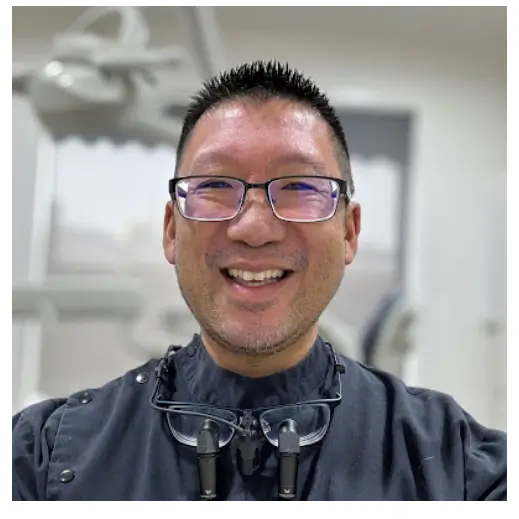
For more than four decades, Clarinda Clinic has delivered dental care for individuals and families through ongoing clinical services and assessments.
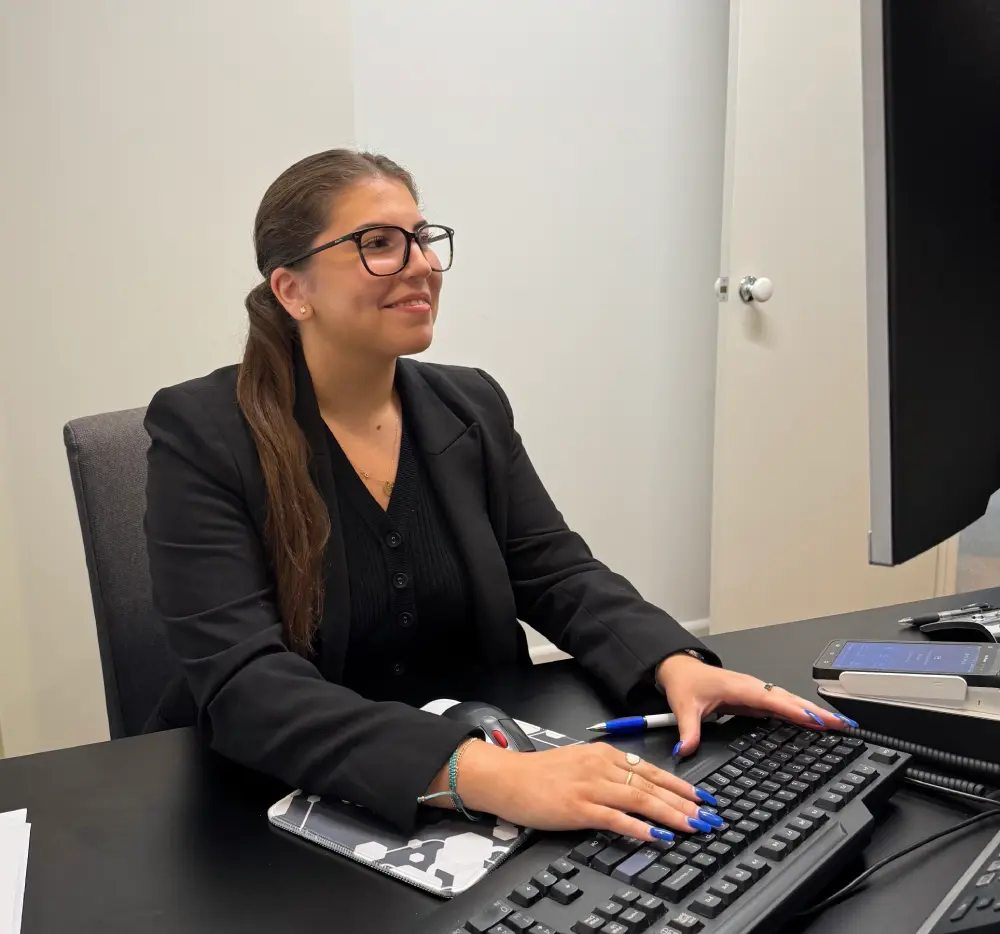
The clinic operates under the leadership of Dr Andrew Hong, supported by a dental team that evaluates oral health conditions and discusses treatment considerations with patients.
Routine dental examinations and diagnostic assessments allow dentists to monitor teeth, gums, and oral structures over time.
Treatment planning is based on individual oral health findings, allowing dentists to recommend appropriate care when required.
Various dental treatments are offered at the clinic, enabling patients to receive dental services in one clinic.
Patients seeking dental care may contact the clinic to arrange an appointment and discuss available treatment options.
At Clarinda Clinic, we believe that great dentistry should speak for itself. Our gallery showcases real patient transformations using modern, evidence-based treatments — from cosmetic upgrades to restorative improvements and complete smile makeovers.
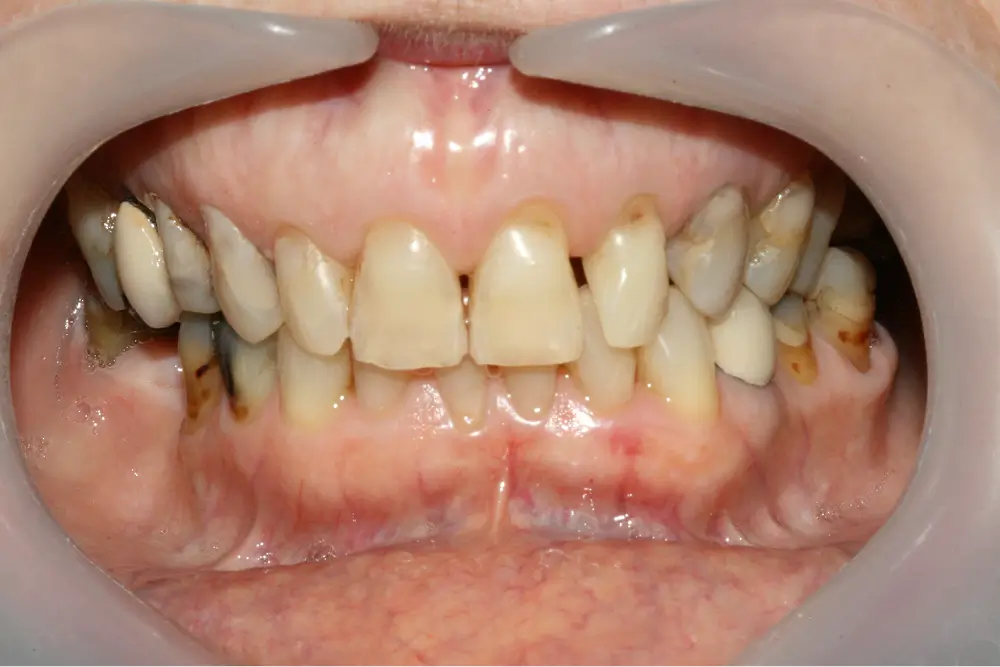
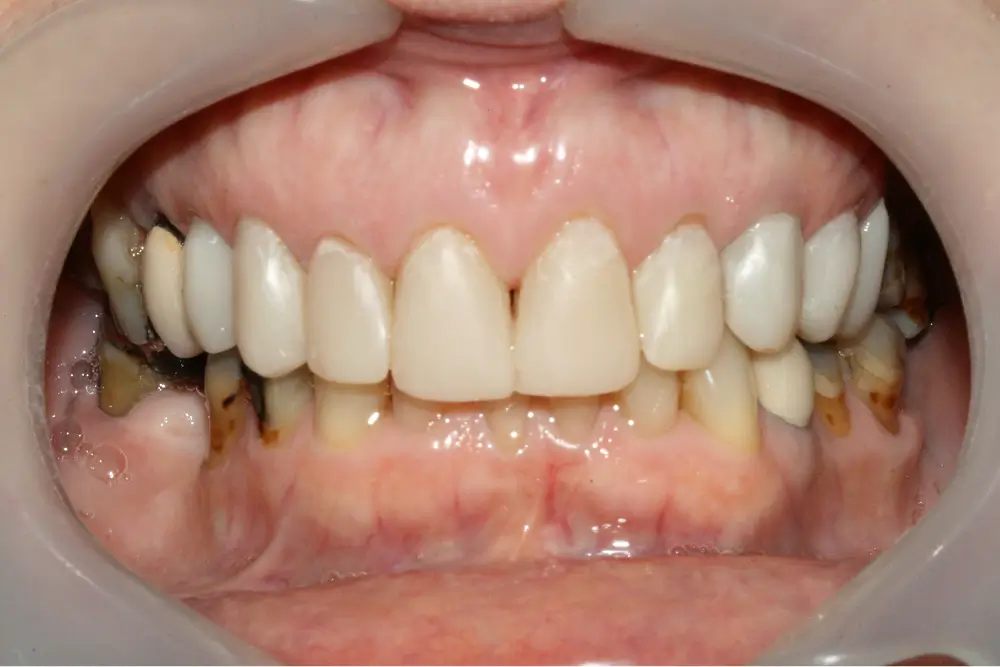
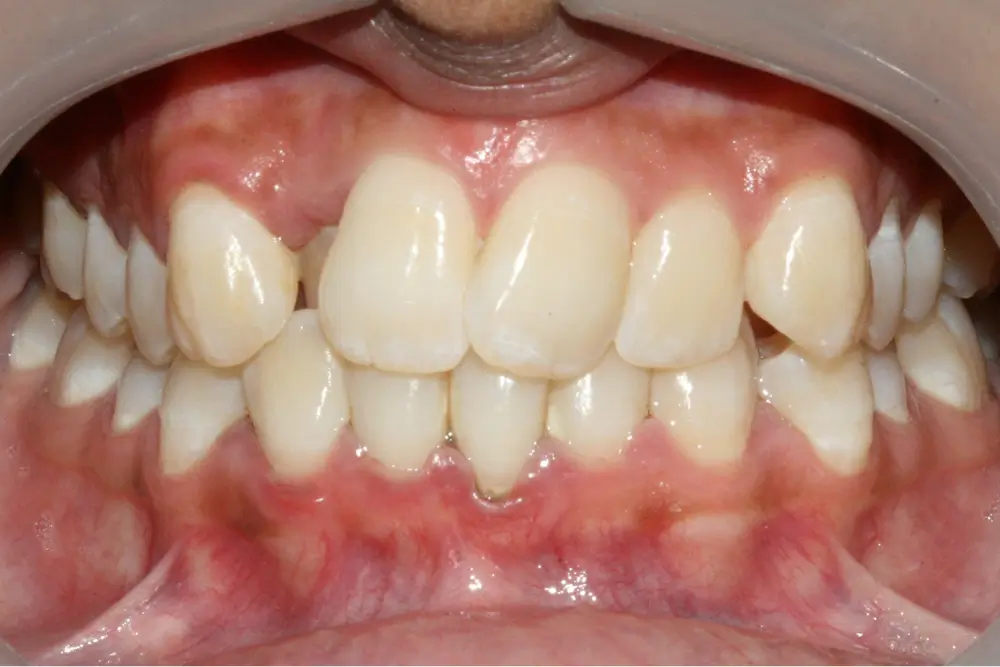
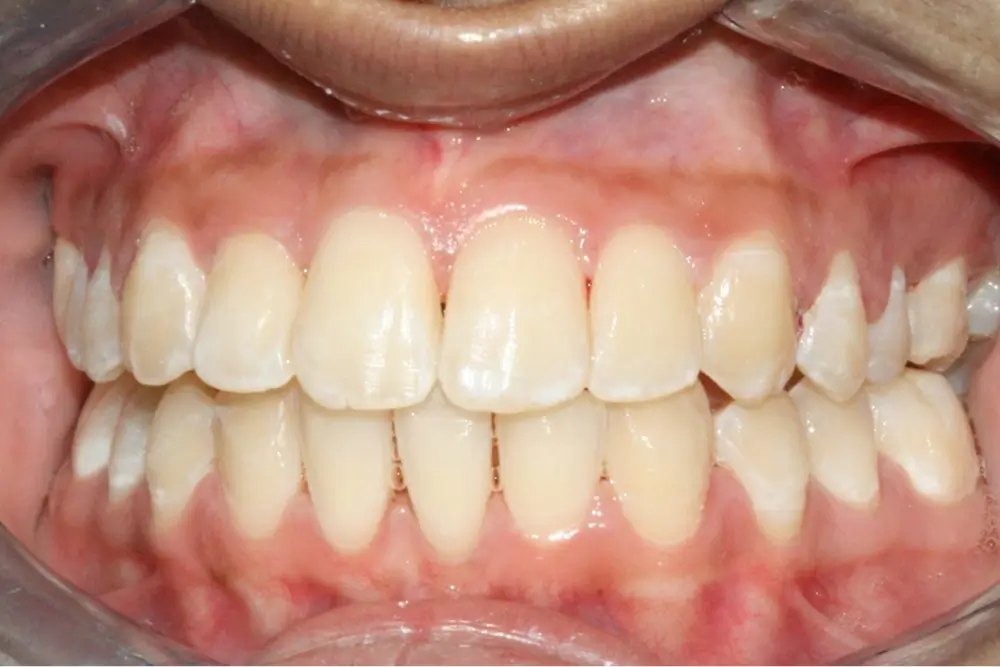
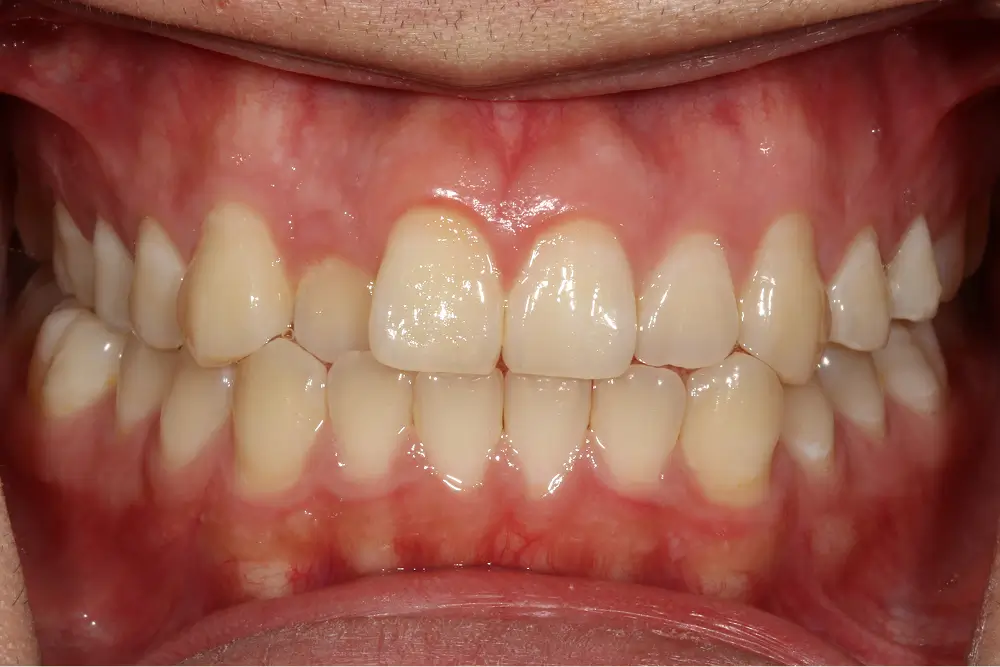
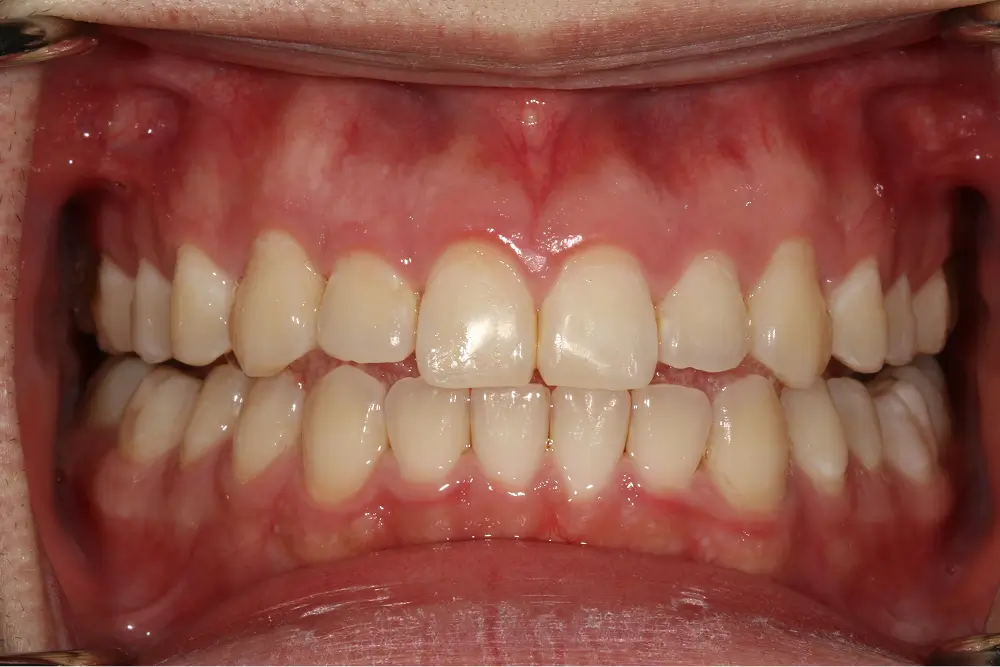
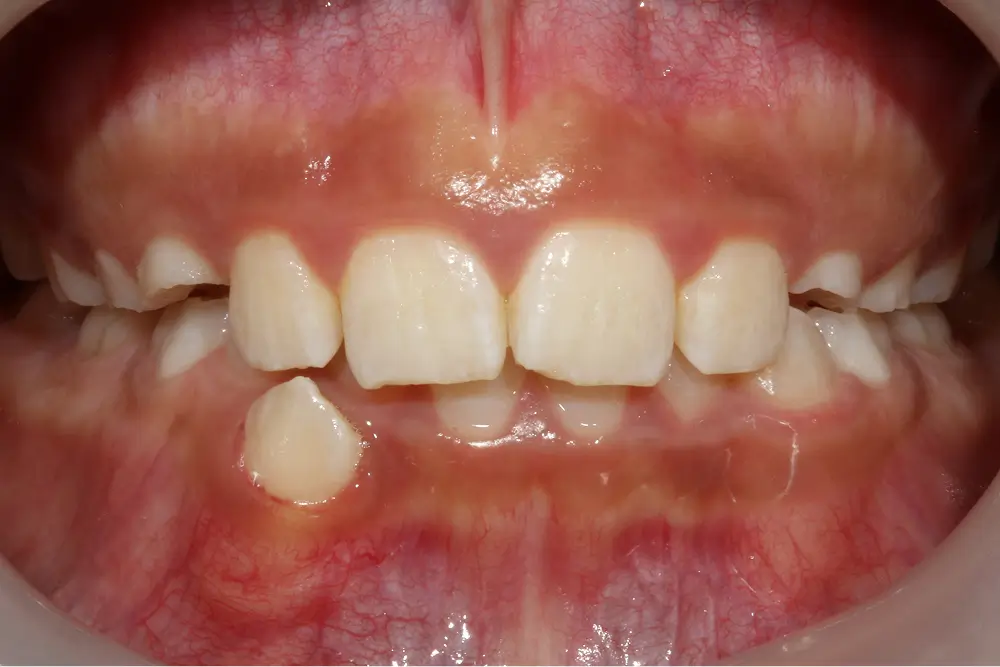
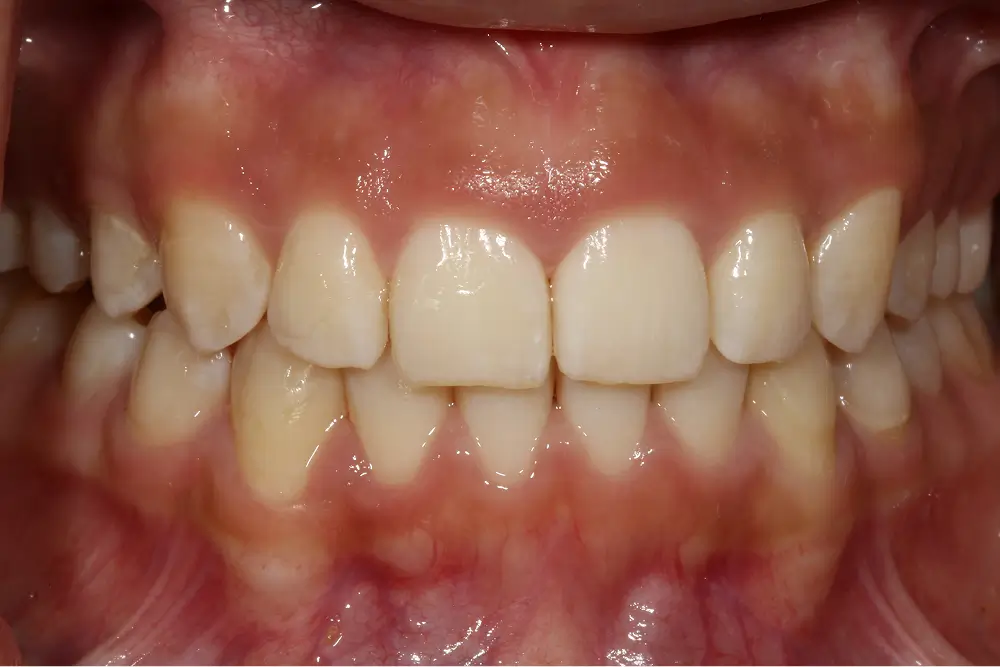

Over the years, our dental clinic has cared for many patients attending regular dental assessments and ongoing oral health reviews. Through examinations, treatment planning, and clinical evaluation, patients can receive comprehensive dental services aimed at maintaining oral health and managing dental conditions when needed.
Springvale South residents are about a 10-minute drive from our Clayton South dental practice on Bourke Road, near the Australia Post on Centre Road. On-site parking is available, with additional spaces at the rear via the service road.
Note: Any surgical or invasive procedure carries risks. Before proceeding, you should seek a second opinion from an appropriately qualified health practitioner.
A dental emergency may include severe dental pain, swelling, infection, trauma, or broken teeth. If you experience any of these symptoms, it is recommended to contact a dental clinic as soon as possible. An emergency dentist can examine the condition and determine the appropriate treatment needed. Emergency dental care may involve managing pain, stabilising damaged teeth, or addressing infection to prevent further complications. Early assessment is important because untreated dental problems can progress and affect surrounding teeth or gum tissue. A dental examination will help identify the cause of the issue and guide the next steps for treatment.
Dental implants are commonly used to replace one or more missing teeth. The procedure involves placing a small titanium post in the jawbone to support a replacement tooth, crown, bridge, or denture. A consultation at a dental practice allows the dentist to assess bone structure, gum health, and overall oral condition before recommending treatment. Dental implants may be suitable for patients with missing teeth who wish to restore chewing ability and tooth structure. The treatment process generally involves examination, imaging, implant placement, healing, and the placement of the final restoration.
Patients from Springvale South can visit Clarinda Clinic to discuss professional whitening options. Our dentist can assess your teeth and recommend either in-chair treatment or customised take-home trays, depending on your needs.
Learn more about our teeth whitening.
Root canal treatment is used to manage infection or inflammation inside a tooth. When bacteria reach the inner pulp of the tooth, patients may experience pain or sensitivity. During the procedure, the dentist removes infected tissue, cleans the root canals, and seals the tooth to help preserve its structure. In many cases, a dental crown may be recommended after treatment to protect the tooth. Root canal treatment is often considered when a tooth can be preserved instead of removed, helping maintain long-term oral health and natural tooth structure.
Wisdom teeth are the last teeth to develop, usually appearing during the late teenage years or early adulthood. In some cases, these teeth may become impacted, partially erupted, or cause crowding. A dentist may recommend wisdom teeth removal if they contribute to infection, pain, or pressure on neighbouring teeth. Dental imaging, such as X-rays, helps evaluate the position of wisdom teeth and determine whether removal is required. Regular dental visits allow dentists to monitor these teeth and discuss possible treatment if concerns arise.
A family dentist provides dental care for individuals of different ages within the same household. This may include preventive examinations, restorative procedures, and advice about oral hygiene. Regular visits allow the dentist to monitor tooth development in children while also addressing adult dental needs. By providing consistent care over time, a family dentist can assist patients in maintaining good oral health and addressing dental problems when they occur.
A routine check-up usually includes an examination of the teeth, gums, and surrounding oral structures. The dentist may also review medical and dental history and recommend diagnostic imaging when necessary. These appointments help monitor overall oral health, identify early signs of tooth decay or gum disease, and detect concerns that may require treatment. Preventive advice and oral hygiene guidance may also be discussed during the appointment.
Dentists may recommend different types of dental work to restore damaged teeth. Based on the condition of the tooth, treatment may include dental fillings, crowns, bridges, or root canal treatment. These procedures help restore tooth structure and support normal chewing function. Treatment recommendations are based on clinical findings and the patient’s dental needs.
Maintaining long-term oral health often involves regular dental visits, preventive care, and appropriate treatment when needed. Routine examinations allow dentists to monitor changes in the teeth and gums and identify concerns early. Preventive care, including professional cleaning and oral hygiene advice, helps reduce the risk of common dental problems. Over time, these measures contribute to maintaining overall oral health.
Many patients look for affordable dental care when planning treatment. Dental clinics may provide different payment options to help manage the cost of treatment. Discussing treatment plans and payment arrangements with the clinic team allows patients to understand the scope of care required and the available payment methods for their dental work.
Where can [Suburb] patients get professional teeth whitening?A dental practice typically provides personalised care by assessing each patient’s oral health condition and discussing suitable treatment options. Dentists consider factors such as oral health history, current dental concerns, and treatment goals. This approach enables patients to receive dental care that aligns with their individual dental needs while supporting ongoing overall oral health.