


Whether you are visiting for regular dental care or treatment for tooth discomfort, our dentist near Moorabbin takes time to understand your concerns and discuss options.
Monday to Friday: 9 AM - 6 PM
Saturday and Sunday: CLOSED
It’s So Fast & Easy
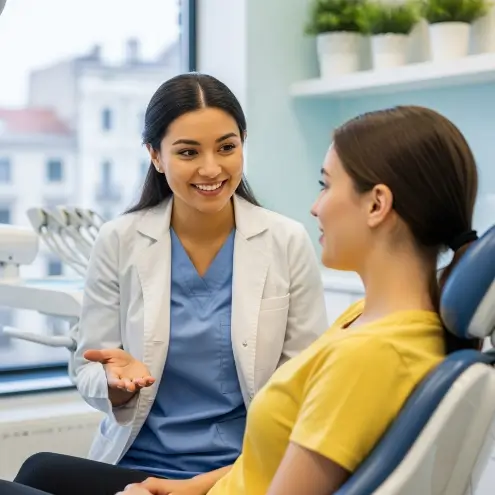




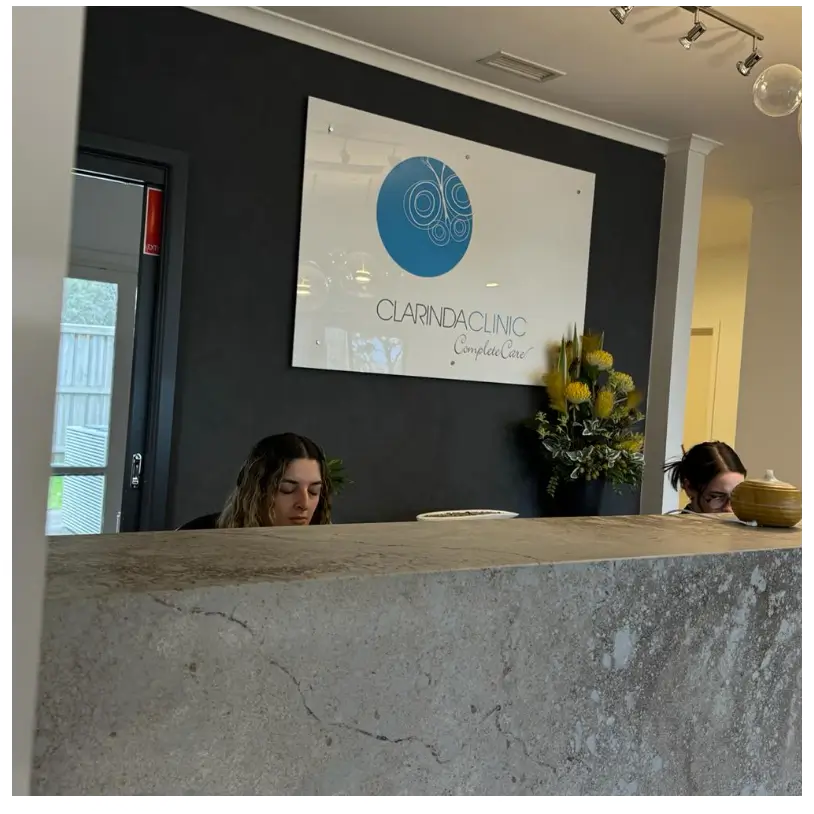
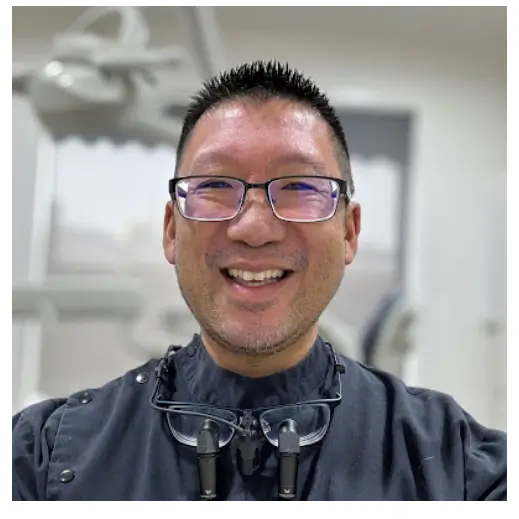
Our clinic has delivered ongoing dental care to individuals and families from nearby communities for more than forty years.
Dr Andrew Hong and Dr Jane Snell bring many years of clinical experience, strengthened through ongoing professional learning.
Technology such as intraoral scanning, Guided Biofilm Therapy, and soft tissue lasers assists our team in examining teeth and discussing care options.
Listening to your concerns allows us to understand your priorities and guide conversations about your oral health.
From Moorabbin, our clinic is about a 10-minute drive, located near Australia Post on Centre Road.
At every appointment, you can expect clear communication and continued support for your long-term oral health.
At Clarinda Clinic, we believe that great dentistry should speak for itself. Our gallery showcases real patient transformations using modern, evidence-based treatments — from cosmetic upgrades to restorative improvements and complete smile makeovers.
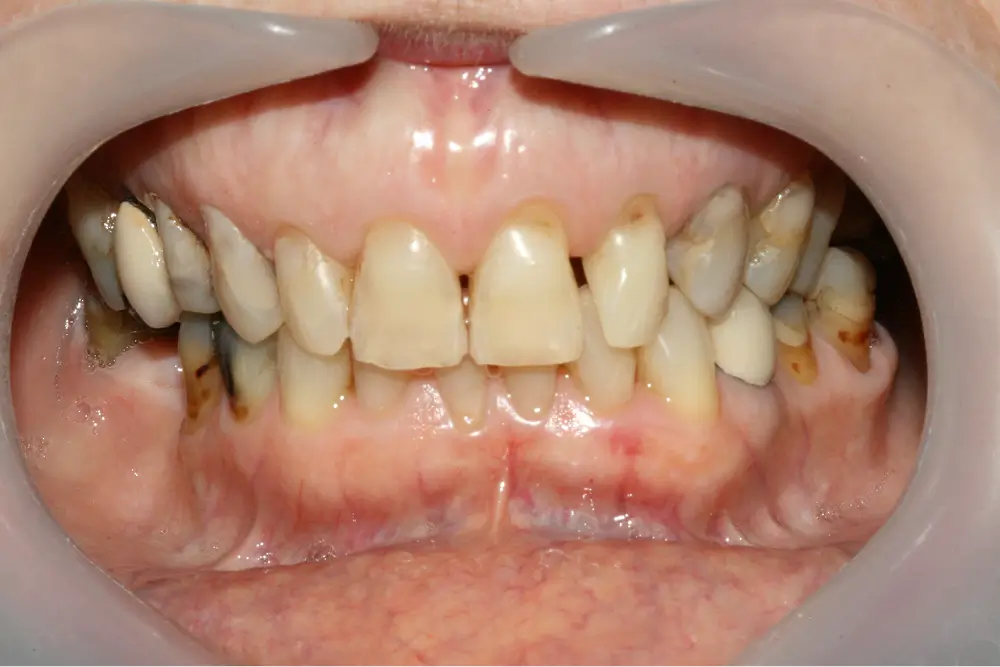
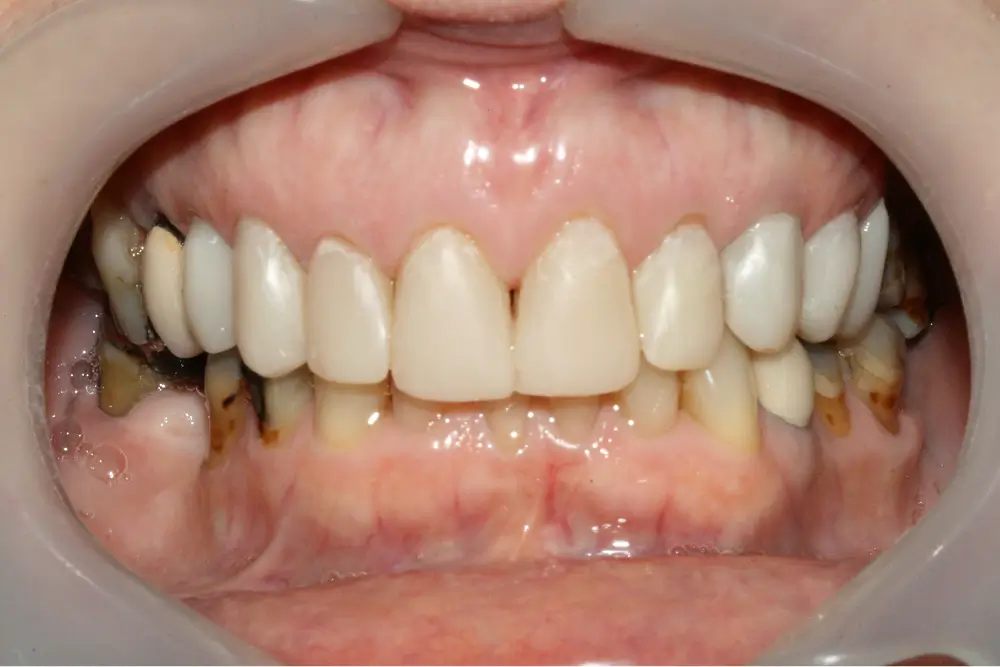
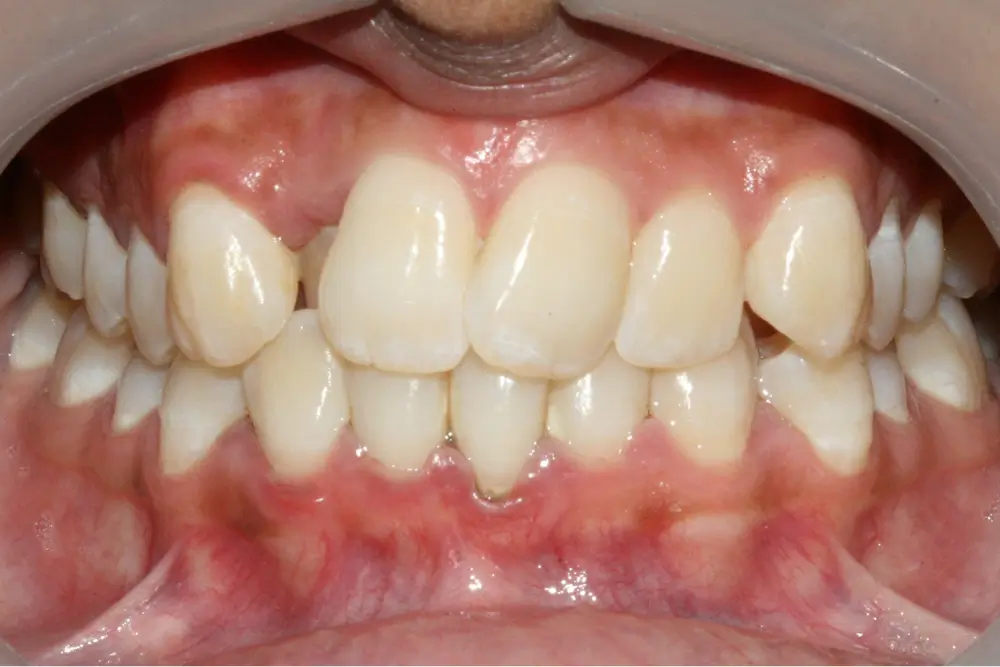
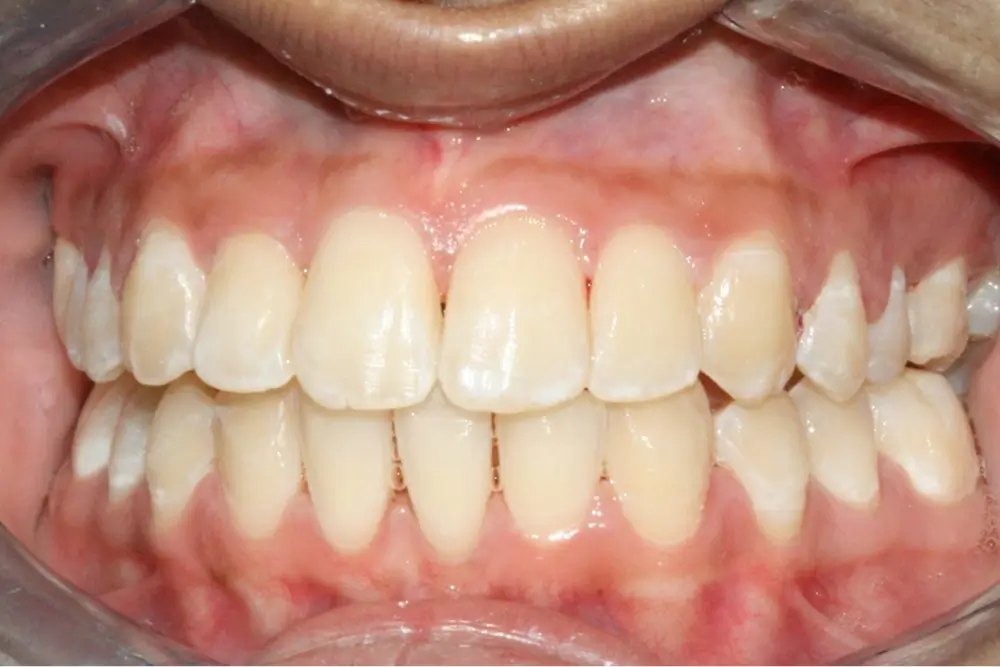
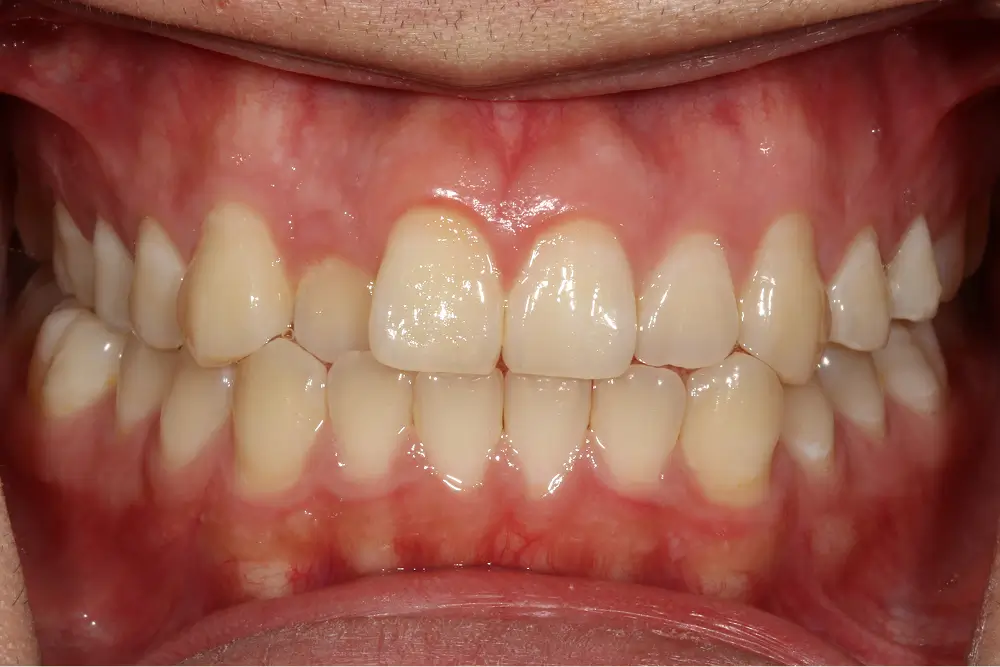
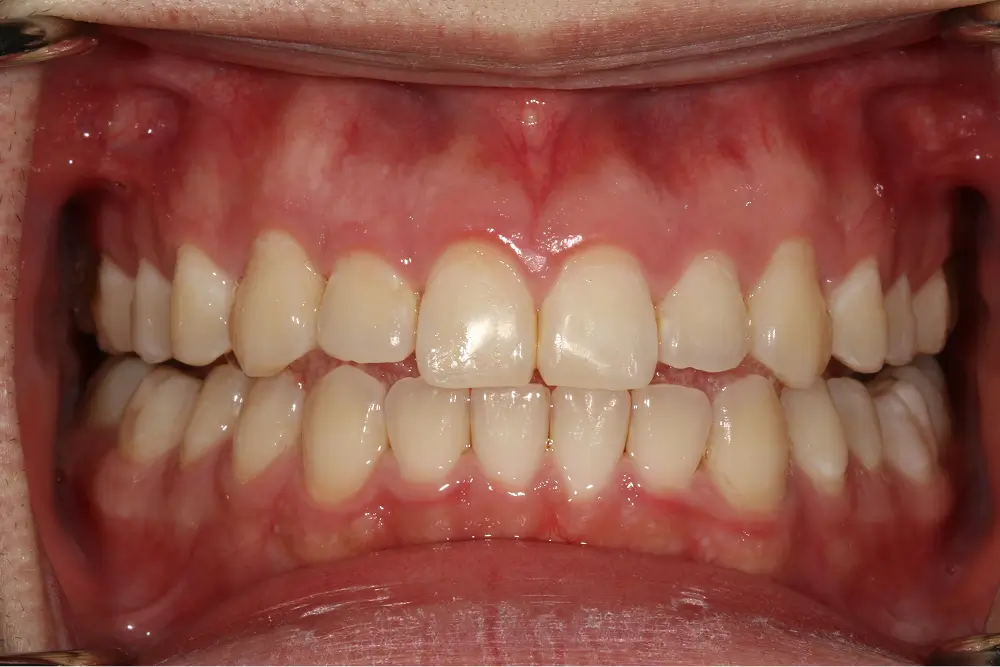
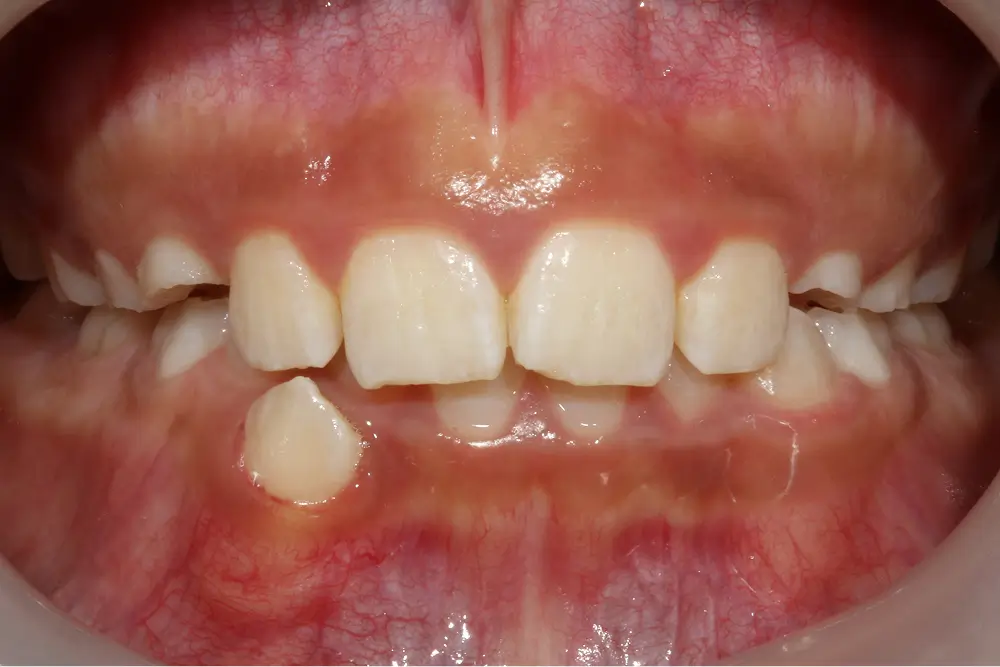
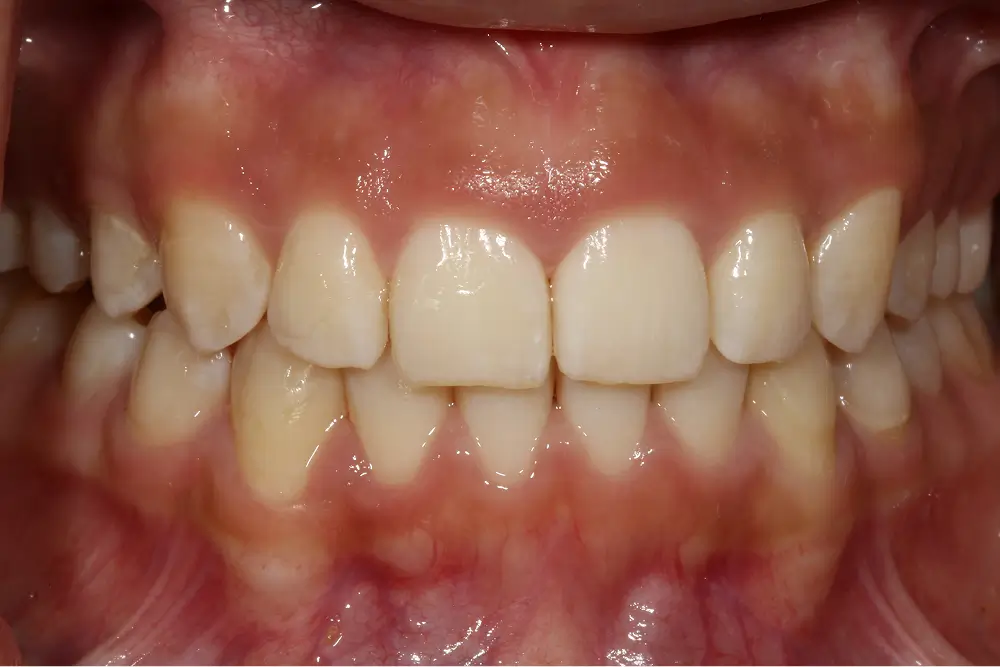

Over the years, our clinic has supported many families in the community with routine, preventive, and restorative dentistry. During appointments, we take time to examine your teeth carefully, explain findings clearly, and talk through possible next steps so you can make informed decisions about your oral health.
Note: Any surgical or invasive procedure carries risks. Before proceeding, you should seek a second opinion from an appropriately qualified health practitioner.
Our dentist communicates in English and aims to keep conversations clear and easy to follow during your appointment. You will have time to ask questions, discuss any concerns, and understand the information shared about your oral health so you can feel informed about the care being discussed. This approach supports open discussion so our family dentists can better understand your individual needs when planning care.
Yes. Our clinic accepts several government-supported programs that help eligible patients access dental care. These include the Victorian General Dental Scheme, Victorian Emergency Dental Scheme, Veterans’ Affairs, and the Child Dental Benefits Scheme. Our team can explain how these programs work and guide you through the process when arranging your visit. These programs may assist people seeking dental care across the surrounding community, including those attending the clinic as new patients.
Payments at our clinic can be made using cash, credit cards, or HICAPS for immediate health fund claims. If you have questions about payment processing, our team can explain the options available so you understand the process when attending your appointment. Our clinic aims to make arranging payment straightforward while continuing to provide high-quality dental care.
Yes. If an unexpected dental concern occurs, you can contact our clinic to request assistance. Emergency dental services are available on request, and our dentist will review your situation and advise on the next steps based on the concern you are experiencing. During the discussion, the dentist may consider your symptoms and determine whether a personalised treatment plan may be required.
Yes. On-site parking is available for patients attending appointments. Being able to park close to the clinic helps make your arrival easier when coming in to see our dentist for your scheduled visit. Convenient access helps support individuals and the whole family when attending appointments at the clinic.
When you attend an appointment, our team aims to create a calm and welcoming environment throughout your time at the clinic. Ceiling-mounted televisions are available during treatment, and items such as blankets and neck pillows can be provided if you would like additional support while you are in the chair. Ambient background music also plays during appointments, helping maintain a relaxed atmosphere. If you would like a drink, coffee, tea, or water can be served on request while you are at the clinic. This approach may be particularly helpful for nervous patients or individuals attending their first visit who would like extra support during their appointment.
Dental fillings or crowns may be recommended when a tooth becomes damaged, weakened, or affected by decay. These general dental procedures are used to restore the structure of the tooth and help protect it from further damage.
During an appointment, our dental team at Clayton South will assess the teeth and surrounding gums to determine whether restorative treatment options may be appropriate. In some cases, X-rays are used to examine areas that cannot be seen during a visual examination.
The dental team reviews the condition of the tooth and discusses how the concern may affect overall oral health and dental health. This assessment helps determine whether a filling, crown, or another restorative approach may be suitable.
Our clinic places importance on open communication, allowing patients to understand the reason for treatment and how it may help manage existing dental problems.
After restorative treatment is completed, our dental practice may recommend regular reviews to monitor the treated tooth and surrounding tissues. Ongoing visits help maintain the health of the mouth and reduce the risk of further issues.
These appointments also provide opportunities for education about oral hygiene habits that support healthy teeth and gums as part of long-term dental care.
Dental implants may be discussed when teeth are missing or cannot be restored. In this procedure, a titanium fixture is positioned in the jaw to support a replacement tooth.
This treatment option forms part of restorative dentistry and may be considered depending on the condition of the surrounding natural teeth and the bone supporting them.
Before implant treatment is recommended, our experienced dentists carry out a detailed examination using dental technology. Imaging helps assess bone structure and guides planning for safe placement.
Our team has extensive experience in restorative procedures and explains how implants may fit within broader care planning.
Cosmetic dentistry involves treatments that address how teeth look and the overall alignment of the smile. Treatments may include teeth whitening or procedures used in orthodontics to help create a straighter smile.
Our dentist begins by assessing the condition of the teeth and discussing the goals a patient may have for cosmetic treatment.
Our clinic uses modern techniques when discussing cosmetic procedures. These approaches allow the team to evaluate how different treatments may influence appearance while maintaining overall dental health.
Each treatment approach is carefully explained so patients understand what may be possible and how the procedures are performed.
Cosmetic procedures are often considered alongside preventive care. Ensuring the teeth and gums remain healthy is an important part of cosmetic treatment planning.
The dental team explains how cosmetic procedures relate to overall oral health and whether additional care may be recommended before cosmetic treatment begins.
Wisdom teeth are the final molars that usually appear in early adulthood. In some situations, they may grow without causing problems, while in others, they may become impacted or difficult to clean.
The position of these teeth is reviewed during examinations to determine whether monitoring or removal may be appropriate.
Wisdom teeth removal may be considered if these teeth contribute to infection, crowding, or repeated discomfort. Imaging helps determine how the teeth are positioned within the jaw.
If removal is recommended, the procedure may be carried out as part of dental surgery performed within a controlled clinical setting.
Following removal, our dental team explains the steps involved in recovery and how to care for the mouth during healing.
The goal of treatment is to reduce the likelihood of future complications while supporting long-term oral health.
Preventive care forms an important part of general dentistry. Regular examinations help our team identify early signs of concerns affecting the teeth or gums.
These visits may include monitoring oral hygiene practices and addressing small issues before they develop into more complex conditions.
Preventive care may also include protective appliances such as mouth guards, particularly for individuals involved in contact sports.
Additional preventive steps may be recommended based on the condition of the teeth and the person’s oral health history.
Our clinic focuses on providing dental services that support individuals and the surrounding community. Preventive care is important for people of all ages, including children, who should attend dental visits at an early age.
By monitoring oral health regularly, our experienced team can identify concerns early and recommend appropriate care that supports long-term dental well-being.
Orthodontic treatment focuses on correcting the alignment of teeth and jaws. Some individuals may notice crowding, spacing, or uneven positioning of teeth that affects how the upper and lower teeth meet when biting.
During assessment, our dentist reviews the position of the teeth and development of the jaws to determine whether orthodontic treatment may be beneficial. In some situations, early monitoring may be recommended before treatment begins.
Alignment concerns can develop gradually as teeth shift over time. Orthodontic assessments help identify these changes and determine whether treatment may help guide teeth into a more balanced position.
Orthodontic treatment may involve braces, clear aligners, or other appliances that apply light pressure to move teeth gradually. Each treatment approach works over time to reposition teeth within the jaw.
Our dentist explains how each orthodontic method functions and discusses the steps involved in the treatment process. The length of treatment varies depending on the degree of alignment required.
Some orthodontic treatments are designed to be removable, while others remain fixed to the teeth throughout the treatment period. Our dentist will explain how these appliances work and how they should be cared for.
During orthodontic treatment, regular visits allow our dentists to review progress and make adjustments where necessary. These appointments ensure that the teeth are moving as expected and that the appliances remain effective.
Maintaining oral hygiene during orthodontic treatment is particularly important. Our dentist provides guidance on brushing and cleaning around orthodontic appliances to reduce the risk of plaque buildup.
Over time, orthodontic treatment can help guide teeth into a more balanced position while supporting the overall health of the mouth.
Mouth guards are protective devices designed to shield teeth from impact during sports or physical activities. They create a cushioning barrier between the teeth and external forces, helping reduce the likelihood of dental injuries.
A mouth guard may be recommended for individuals participating in contact sports such as football, basketball, or martial arts. These activities can place teeth at risk of fractures or displacement.
Wearing a mouth guard helps protect both the teeth and the surrounding tissues during these activities.
There are several types of mouth guards available. Some are pre-formed and purchased from sports stores, while others are custom-made by a dentist to fit the patient’s mouth.
Custom mouth guards are designed using impressions of the teeth, allowing them to fit securely and comfortably. This customised fit can help ensure the mouth guard remains stable during activity.
Our team explains the advantages and limitations of each type so patients can make an informed decision.
To maintain hygiene, mouth guards should be cleaned after each use and stored in a protective case. You may also be asked to bring the mouth guard to regular appointments so it can be checked for wear.
If the mouth guard becomes damaged or no longer fits correctly, a replacement may be required. Proper maintenance helps ensure the mouth guard continues to protect the teeth effectively during physical activity.
Gum disease develops when plaque and bacteria accumulate along the gum line. Over time, this buildup can irritate the gums and lead to inflammation.
In the early stages, gum disease may cause redness, swelling, or bleeding during brushing. If left untreated, the infection can affect deeper tissues that support the teeth.
Gum health is monitored during routine examinations to identify early signs of gum disease. Early detection helps prevent the condition from progressing further.
Gum treatment usually begins with professional cleaning procedures designed to remove plaque and hardened deposits around the teeth and beneath the gums.
Our dentists may recommend a procedure known as scaling and root surface cleaning. This process removes bacteria and plaque from areas where gum disease commonly develops.
The goal of gum treatment is to reduce infection and allow the gums to heal. By removing irritants that cause inflammation, our dentist can help stabilise the gum tissues supporting the teeth.
After gum treatment, maintaining daily oral hygiene is essential. Our team provides instructions on brushing and cleaning techniques that help reduce plaque accumulation.
Regular dental visits allow our team to monitor gum health and detect early signs of recurrence. Ongoing maintenance appointments may also be recommended depending on the severity of the condition.
With appropriate care and monitoring, gum treatment helps support the structures that hold teeth in place and contributes to long-term oral health.
Cracks in teeth can occur due to biting hard foods, dental trauma, or long-term wear. Some cracks may be visible, while others are small and only detectable during a dental examination.
During examination, our dentist assesses the tooth to determine the depth and location of the fracture. In some cases, imaging may help evaluate whether the crack extends into deeper layers of the tooth.
Understanding the position and depth of the crack is important when planning treatment.
The treatment for a cracked tooth depends on the severity of the fracture. Minor cracks may be managed with protective restorations designed to stabilise the tooth structure.
In situations where the damage extends deeper into the tooth, more extensive restorative procedures may be discussed to preserve the remaining tooth structure.
Our dentist explains each option and how the treatment aims to protect the tooth from further damage.
After treatment, our team may discuss ways to reduce the risk of further fractures. This may include avoiding very hard foods and monitoring habits such as teeth grinding.
Regular dental examinations allow our team to monitor previously treated teeth and identify early changes that may require attention.
With appropriate care and monitoring, many cracked teeth can continue functioning as part of the natural bite while maintaining overall oral health.
You can book an appointment online using our booking form or call Clarinda Clinic on (03) 6160 1078. Our team can help arrange a suitable appointment and answer any questions about your visit.
Yes, Clarinda Clinic welcomes new patients. If you are visiting from Moorabbin or surrounding areas, you can contact our team or book online to arrange your first appointment.