
Dental concerns can arise suddenly, whether it is discomfort, swelling, or an unexpected change in a tooth. We respond to emergency dentistry situations by helping you understand what is happening and how your care can be managed at the moment.


Emergency dentistry focuses on addressing urgent dental concerns that require timely attention, such as pain, injury, or sudden changes in the mouth. The aim is to assess the situation and manage what is present before considering next steps.
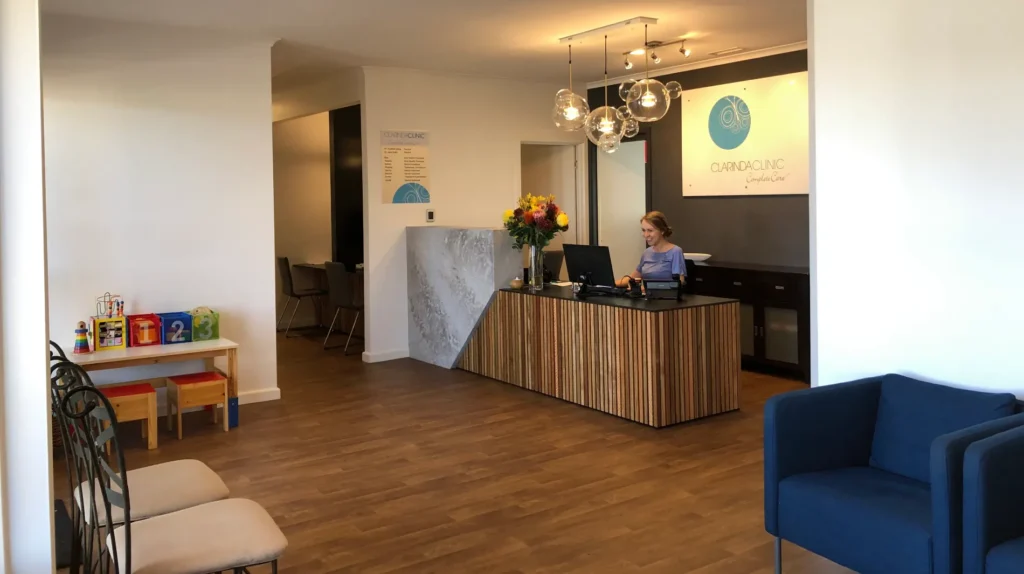
At our clinic in Clayton South, we approach these situations with steady communication and thoughtful care, so you feel supported during unexpected visits.
We offer different emergency dental treatments depending on what you are experiencing. Each option is explained in a clear way so you can understand how care may be approached.

We manage infection within the tooth through internal treatment.

We reposition a knocked-out tooth when seen promptly.

Removal may be considered when a tooth cannot be retained.

We restore damaged areas using suitable filling materials.


Recognising urgent dental concerns early can help you respond appropriately. Some signs may indicate the need for prompt attention to reduce discomfort and understand what care may be required.
When urgent dental concerns arise, we follow a clear and structured approach. This helps you understand each stage of care while we assess your condition and discuss suitable next steps.
We begin by understanding your concern, reviewing symptoms, and examining the affected area to determine what may require attention.
We focus on easing discomfort by identifying the source and discussing ways to help manage symptoms during your visit.
Based on findings, we explain available care options and outline what may be considered to address your situation.
We monitor how your condition responds and discuss follow-up care to support your oral health moving forward.
The annoying thing about the place is trying to stay awake because its so comfortable. thankfully they all have a good sense of humor and are friendly. otherwise they would have to pry my mouth open as i sleep. have not gone to see you guys in a few years but i will be returning shortly.

Note: Any surgical or invasive procedure carries risks. Before proceeding, you should seek a second opinion from an appropriately qualified health practitioner.
If a tooth is chipped or broken, try to keep the area clean and avoid chewing on that side. Rinse your mouth with water to remove debris and reduce irritation. If there is sensitivity, you may choose to cover the area temporarily until it is reviewed. Arranging a dental visit helps assess the extent of damage and discuss suitable care.
If you experience a toothache, rinsing with lukewarm salt water may help clear the area. Avoid very hot or cold foods if sensitivity is present. Over-the-counter options may be considered if appropriate for you. Booking a visit allows the cause of discomfort to be identified and addressed.
In some cases, implants may be considered soon after a tooth is lost, depending on the bone condition and the surrounding tissues. Timing varies based on how the area responds and individual factors. A clinical review is needed to determine whether immediate placement is appropriate. Our dentist will explain suitable options based on your situation.
If a tooth is knocked out, handle it by the crown and avoid touching the root. If possible, place it back in position or store it in milk. Seek dental attention as soon as possible to discuss what may be done.
Swelling that increases, feels firm, or affects nearby areas may require prompt attention. It can indicate an infection or inflammation that needs assessment. A dental visit helps determine the cause and next steps.
A lost filling or crown can leave the tooth exposed and sensitive. While it may not always feel urgent, delaying care can allow further damage. Having it reviewed early helps maintain the structure of the tooth.
If gum bleeding occurs without an obvious reason, it is helpful to rinse gently and avoid further irritation. Ongoing or heavy bleeding should be assessed through emergency dental services to understand the cause. A dental visit helps identify what may be contributing to the change and discuss appropriate care.
Some concerns, such as ongoing pain, swelling, or injury to a tooth, may require timely review. If symptoms are affecting daily activities or not settling, it may be helpful to have them assessed sooner. Less severe concerns may be monitored briefly, but a dental visit can help clarify what may be appropriate.
Emergency dental treatment focuses on addressing the immediate concern and stabilising the situation. In some cases, further care may be discussed once the initial issue has been managed. This approach allows your condition to be reviewed before planning any additional steps.
Costs can vary depending on what is involved during your visit, including assessment and any care provided. Before proceeding, we explain what may be required and discuss the associated costs. This helps you understand your options and make informed decisions about your care.
Putting off care during dental emergencies can allow minor concerns to progress. What begins as mild discomfort may develop into ongoing pain, making it harder to eat, speak, or rest comfortably over time.
Untreated problems can lead to infection extending into surrounding tissues. This may present as swelling, pressure, or changes in the gums, sometimes linked with gum disease and persistent bad breath that becomes noticeable.
When a damaged area is not addressed, the tooth may weaken further. Over time, this can increase the need for restorative treatment, including options such as dental crowns to rebuild and support the affected structure.
Delaying attention can limit simpler approaches. Early-stage concerns are often easier to manage, while advanced conditions may require more detailed planning and a broader scope of care depending on the situation.
At our dental clinic, your concerns are assessed with a structured approach. Speaking with our experienced dentist allows you to understand your condition and consider appropriate next steps without unnecessary delay or confusion.
Taking a consistent approach to oral health and daily habits can help reduce the chances of unexpected dental concerns developing over time. Small, regular actions often play a role in supporting long-term oral health and stability.
Routine visits allow changes in teeth and gums to be identified early. This helps you understand any developing concerns and consider appropriate care before they progress further. Regular reviews also provide an opportunity to monitor existing dental work.
Brushing and flossing regularly support the health of teeth and surrounding tissues. Consistent care can reduce plaque build-up and limit factors that may contribute to decay or irritation. Choosing suitable products may also support your daily routine.
Hard or sticky foods can place added stress on teeth, especially if there are existing weak areas. Being aware of what you eat and how you chew can help reduce unnecessary strain and support tooth structure over time.
If you participate in activities that may impact your teeth, protective options such as mouthguards can help reduce the risk of injury during contact or physical activity. This can be considered for both adults and younger individuals.
If you notice discomfort, sensitivity, or changes in your mouth, speaking with our experienced team can help you understand what may be happening. Early attention may reduce the need for more involved emergency care later and support timely management.
Yes, new patients can contact our Clayton South based dental practice for an emergency dental appointment. If you are experiencing dental pain, swelling, a damaged tooth or another urgent dental concern, contact our team as soon as possible so we can advise you on the appropriate next steps. We assist patients from Moorabbin, Huntingdale, Heatherton, Mentone, Hughesdale, Beaumaris, Hampton and surrounding suburbs.