

A dental implant procedure is a structured way to replace missing teeth using a stable, long-term solution. Many people choose dental implants because they are designed to support a replacement tooth while aligning with surrounding teeth.
Understanding how the dental implant process works can make the experience feel more predictable. Each stage, from the initial consultation through to the final restoration, plays a role in building a solid foundation for the new tooth.
This guide explains the full dental implant treatment in simple terms, including how implant surgery is planned, what happens during healing, and what to expect at each stage.
What Dental Implants Are And How They Work
Dental implants are designed as artificial tooth roots that are positioned within the jawbone to support a replacement tooth. Unlike natural teeth roots, which are part of the body, implants are made from materials such as a titanium implant post that can integrate with bone.
After the implant post is placed, it provides a stable base for an artificial tooth, such as a custom-made crown. This allows the new tooth to function as part of your smile.
Because implants are anchored into the surrounding bone, they do not rely on surrounding teeth for support. This makes them one of several tooth replacement options available when teeth are missing.
Who May Be Suitable For Dental Implant Treatment
Not everyone is automatically suitable for dental implant treatment. A careful assessment is needed to decide if the procedure is appropriate.
Factors That Are Considered
 During the assessment, a dentist looks at:
- Bone density and bone quality
- The condition of the gum tissue
- Overall oral health
- Medical history, as well as any factors that could influence healing
Active gum disease needs to be managed before implant placement, as it can affect healing and the stability of the implant.
Why Bone Density Matters
The implant post needs enough surrounding bone to support it. If bone loss has developed after tooth extraction, a bone graft may be suggested to restore the area.
This helps create a stable foundation for implant placement and supports proper integration over time.
The Initial Consultation And Planning Stage
The dental implant process generally starts with an initial consultation appointment. This stage is focused on understanding your needs and planning the entire process.
What Happens During The Consultation
A careful examination is completed to evaluate the condition of your teeth and surrounding tissues. This may include checking the position of surrounding teeth and evaluating bone density.
The dentist may also go through your medical history and talk about any teeth that are damaged or missing.
Creating A Personalised Treatment Plan
Based on this information, a personalised treatment plan is developed. This outlines the number of implants needed, the location of the implant site, and the expected timeline.
A surgical guide may be prepared to support precise implant placement during the procedure.
Preparatory Procedures Before Implant Surgery
In some cases, preparatory procedures are required before the main implant surgery.
Tooth Extraction And Site Preparation
If a damaged tooth is still present, tooth extraction may be needed before implant placement. This allows the area to heal and prepares the implant site.
Bone Graft And Sinus Considerations
If there is reduced bone quality or existing bone loss, a bone graft may be used to restore support in the area. In upper jaw cases, the position of the sinus cavities may also be considered when planning treatment.
These steps help ensure that the implant has enough support for long-term stability.
What Happens During The Dental Implant Procedure
The dental implant procedure is completed in stages, with each step carefully managed.
 Implant Placement Surgery
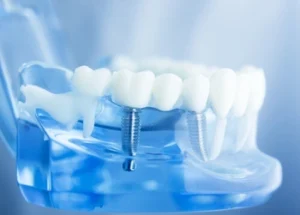
During implant surgery, a local anaesthetic is used to numb the area. This helps keep the experience comfortable while the implant post is placed.
The dentist positions the titanium implant post into the jawbone at the planned location. This step is often referred to as dental implant placement.
Creating A Stable Foundation
Once the implant post is in place, it begins to form a connection with the surrounding bone. This connection is important for creating a stable foundation that can support the final restoration.
The Healing Process And Integration Phase
After implant placement, the healing process begins. This stage is important for proper integration between the implant and the bone.
What Happens During Healing
Over the healing period, the surrounding bone gradually bonds with the implant post. This process helps secure the implant in place.
The healing phase can take a few months, depending on individual healing progress and overall bone quality.
Factors That Influence Healing
Healing can be influenced by:
- Bone density and surrounding bone condition
- Good oral hygiene practices
- General health and lifestyle factors
Maintaining good oral hygiene during this time helps support the healing process and reduces the risk of complications.
Abutment Placement And Final Restoration
Once the implant has integrated with the bone, the next stage begins.
Abutment Placement
An abutment placement is carried out to connect the implant post to the final restoration. This component sits above the gum tissue and acts as a link between the implant and the artificial tooth.
Fitting The New Tooth
A custom-made crown is then placed on the abutment. This crown is designed to blend with the surrounding teeth in both shape and colour.
The final restoration completes the dental implant treatment and allows the new tooth to function as part of your smile.
What To Expect After The Procedure
Understanding what to expect after the implant procedure can help you feel more prepared.
Short-Term Recovery
After implant surgery, mild swelling or discomfort may be noticed around the implant site. This is part of the normal healing process.
Most patients are able to return to their daily routine within a short time, although care is needed to protect the area.
Follow-Up Care
Follow-up appointments are an important part of the process. These visits allow the dentist to track healing progress and confirm that the implant is integrating as expected.
You may also be advised to schedule follow-up appointments at regular intervals to support long-term oral health.
How Dental Implants Support Oral Health
Dental implants replace missing teeth while also supporting overall oral health.
Maintaining Surrounding Teeth
Since implants do not depend on surrounding teeth for support, they help maintain the position of natural teeth while reducing unnecessary pressure on nearby areas.
Supporting Bone Structure
The presence of an implant post can help maintain the surrounding bone by providing stimulation similar to natural tooth roots.
This may reduce further bone loss over time.
Maintaining Your Dental Implants
Once the implant is in place, ongoing care is important.
Daily Care
Maintaining good oral hygiene is important for protecting both the implant and the surrounding tissues. This includes brushing and cleaning between teeth regularly.
Long-Term Care
Regular dental visits, combined with good oral hygiene practices, help support the long-term success of dental implants.
Following these steps can help maintain a stable foundation and support a confident-looking smile over time.
Final Thoughts On The Dental Implant Procedure
 A dental implant procedure is a carefully planned treatment designed to replace missing teeth and support long-term oral health.
By understanding each stage of the process, from initial consultation to final restoration, you can approach treatment with clearer expectations.
While the procedure involves multiple stages and a healing period, dental implants provide a structured approach to restoring function and appearance. Working with a dedicated dentist and following a personalised treatment plan can help ensure the process is managed effectively from start to finish.
If you are concerned about missing teeth or would like support with restoring function and stability, you can book a consultation with us at Clarinda Dental or call 03 6160 1078 to discuss your situation and appropriate care options.
Note: Any surgical or invasive procedure carries risks. Before proceeding, you should seek a second opinion from an appropriately qualified health practitioner.
Resources
“Healthdirect Australia (2025). ‘Gum Disease’. Healthdirect Australia, February. Australia: Healthdirect Australia. https://www.healthdirect.gov.au/gum-disease”
“Cleveland Clinic (2024). ‘Dental Bone Graft’. Cleveland Clinic, 6 August. Cleveland, OH: Cleveland Clinic. https://my.clevelandclinic.org/health/treatments/21727-dental-bone-graft”
“Colgate (2023). ‘What Is Good Oral Hygiene?’. Colgate, 9 January. New York, NY: Colgate-Palmolive Company. https://www.colgate.com/en-us/oral-health/adult-oral-care/what-is-good-oral-hygiene”